En octobre, Crews s’engage activement aux côtés de la Ligue contre le Cancer #CrewsEnRose

👉 En savoir plus

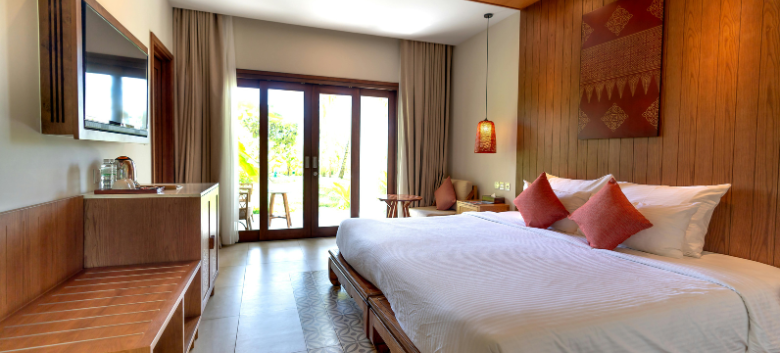
Le secteur hôtelier ne cesse d’évoluer face à un environnement mouvant : attentes clients changeantes, transition écologique, révolution digitale, montée du travail hybride... En 2026, les tendances hôtellerie révèlent un secteur qui s’adapte, innove et investit dans l’humain autant que dans la technologie. Ces tendances ne concernent pas que les grandes chaînes internationales : elles touchent aussi les établissements indépendants, les acteurs du luxe et les nouveaux concepts hybrides.
La quête d’une expérience client ultra-personnalisée devient centrale. Grâce à la data, les hôtels anticipent les préférences des voyageurs (type de literie, température de la chambre, préférences alimentaires, services attendus). Les outils CRM connectés permettent d’ajuster les propositions commerciales, d’automatiser les recommandations, voire d’envoyer un message personnalisé au moment idéal.
Cette tendance s’inscrit aussi dans les stratégies de fidélisation : les programmes de points laissent place à des avantages sur-mesure selon le profil et les habitudes du client. L’objectif ? Créer un sentiment d’exception et de considération à chaque étape du séjour.
L’année 2026 confirme l’intégration massive de solutions digitales dans les établissements :
Ces innovations permettent de réduire les temps d’attente, d’optimiser la gestion des équipes et d’offrir une expérience fluide, particulièrement appréciée des clientèles internationales ou business. Pour les hôtels, c’est aussi un moyen de se démarquer sans forcément revoir tout leur modèle.
L’engagement environnemental devient un critère décisif de réservation, en particulier chez les jeunes générations. En 2026, les hôtels intègrent :
La dimension RSE ne concerne plus uniquement les grandes enseignes : elle s’applique aussi aux hôtels de charme, aux boutiques-hôtels ou aux auberges modernisées. Elle devient un levier de différenciation et d’image de marque
Depuis la pandémie, les frontières entre travail et voyage se sont estompées. En 2026, les digital nomads et les salariés en télétravail recherchent des lieux qui allient confort et productivité.
Les hôtels répondent à cette demande en proposant :
C’est aussi un axe stratégique pour augmenter le taux de remplissage en semaine, souvent plus creux.
Face à la pénurie de main d’œuvre et à l’évolution des attentes des salariés, les établissements repensent leur modèle managérial. En 2026, un bon manager hôtelier n’est plus seulement un bon opérationnel : c’est un leader humain, un coordinateur agile et un pédagogue.
Les collaborateurs recherchent :
Les hôtels doivent désormais intégrer ces éléments dans leur culture interne, sous peine de voir leur turnover exploser.
Ces tendances montrent que l’hôtellerie est un secteur en transformation digitale rapide, et qu’il devient essentiel de développer de nouvelles compétences. Chez Crews, nous avons conçu des formations adaptées au secteur :
Les tendances de l’hôtellerie en 2026 révèlent un secteur en pleine réinvention. Digitalisation, personnalisation, durabilité et nouveaux usages transforment les établissements et les compétences attendues. Se former aux outils du digital devient un levier décisif pour évoluer dans cette nouvelle hôtellerie.

La personnalisation, le digital, la RSE, et le travail hybride sont les piliers de transformation.
Non, il les soutient et permet d’améliorer l’expérience sans remplacer l’humain.
Avec des formations spécialisées comme celles de Crews, en ligne et adaptées aux pros.
Responsable e-distribution, chef de projet digital, content manager, directeur d’établissement.


.png)