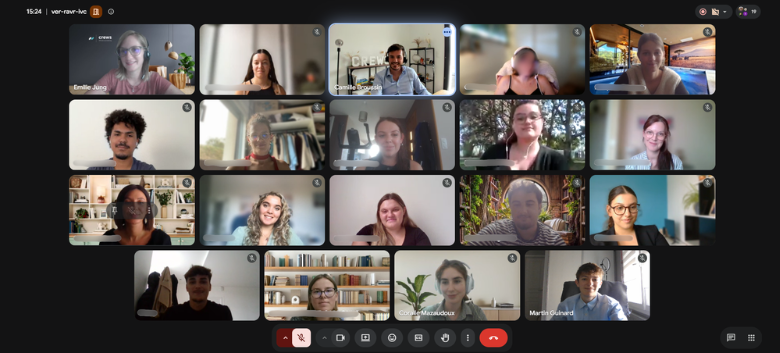
Le travail en full remote s’est imposé comme une tendance forte, accélérée par la digitalisation et les nouvelles attentes des collaborateurs. D'après l’INSEE, en 2023, près de 30% des salariés en France travaillent au moins partiellement à distance. Mais quels sont les véritables impacts du full remote sur vos équipes ?
Quels sont les avantages du full remote pour vos collaborateurs ?
- Un meilleur équilibre entre vie professionnelle et personnelle : Le télétravail réduit les temps de transport, permettant aux salariés de mieux gérer leur emploi du temps. Une étude de Malakoff Humanis révèle que 73% des télétravailleurs estiment avoir un meilleur équilibre de vie.
- Une augmentation de la productivité : Selon une enquête de Stanford, la productivité des employés en full remote augmente de 13% en moyenne, grâce à moins de distractions et une meilleure gestion du temps.
- Une réduction des coûts : Moins de dépenses en transports, en repas et en garde d’enfants : un télétravailleur économise en moyenne 2000 à 4000 euros par an.
- Un accès élargi aux talents : Le full remote permet de recruter les meilleurs profils sans contraintes géographiques, favorisant la diversité et l’innovation au sein des entreprises.
Quels sont les inconvénients du full remote ?
- Un risque d’isolement et de perte de cohésion : Selon Buffer, 41% des télétravailleurs ressentent un manque de lien social avec leurs collègues. Les entreprises doivent mettre en place des outils de communication et des moments d’échange réguliers.
- Des difficultés à maintenir l’engagement et la motivation : L’absence de cadre physique peut rendre plus difficile l’adhésion à la culture d’entreprise et la motivation à long terme.
- Une gestion du temps et des limites floues : Selon l’OECD, 27% des salariés en full remote déclarent travailler plus longtemps qu’en présentiel, ce qui peut entraîner du stress et un risque de burn-out.
- Des défis technologiques et de cybersécurité : Le travail à distance implique l’usage de solutions numériques avancées et la sécurisation des données sensibles. Une entreprise sur trois a subi une cyberattaque liée au télétravail en 2022.
Comment optimiser les missions en télétravail à 100% ?
- Mettre en place des outils collaboratifs performants (Slack, Notion, Trello, Zoom…)
- Favoriser une culture d’entreprise forte avec des événements virtuels et des rituels d’équipe
- Former les managers et les équipes aux bonnes pratiques du travail à distance
- Encourager des temps de repos et de déconnexion pour éviter le surmenage
Se former pour mieux gérer le full remote
Chez Crews, nous proposons des formations professionnelles courtes, sur mesure et en ligne, adaptées aux entreprises souhaitant optimiser le télétravail. Nos formations permettent de :
- Mettre en place une organisation efficace en full remote
- Prévenir les risques psychosociaux liés au télétravail
- Maîtriser les outils numériques collaboratifs
👉 Découvrez notre programme de formations professionnelles en full remote
Le full remote offre des opportunités considérables mais présente aussi des défis à relever. Une stratégie adaptée et des formations ciblées permettent d’optimiser cette nouvelle organisation du travail. Votre entreprise est-elle prête à tirer pleinement parti du télétravail ?


.png)