En octobre, Crews s’engage activement aux côtés de la Ligue contre le Cancer #CrewsEnRose

👉 En savoir plus

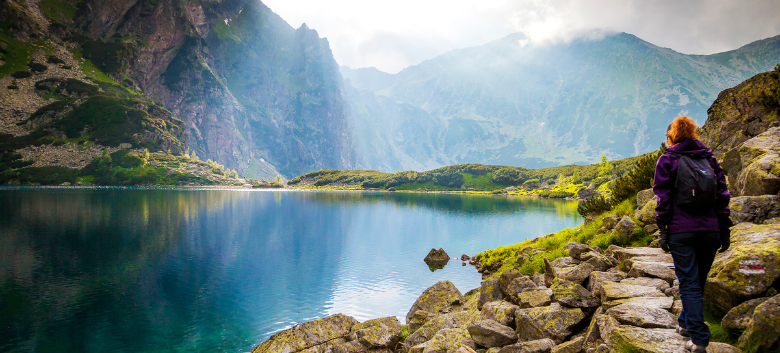
Le tourisme évolue fortement, les comportements des voyageurs changent, les attentes en matière d’expérience se transforment, et les innovations technologiques et écologiques redessinent le secteur. 2026 marque une année charnière, où plusieurs grandes tendances ressortent. Voici les dynamiques à suivre, utiles pour les pros du tourisme comme pour les futurs étudiants de ce secteur.
Le tourisme de demain s’oriente de plus en plus vers une approche durable, consciente et respectueuse des territoires. Le concept de slow tourisme, voyager à rythme ralenti, privilégier les expériences longues et immersives, découvrir la culture locale, la nature, le patrimoine, gagne en importance.
De même, on observe un intérêt croissant pour des destinations moins mainstream, moins fréquentées, souvent rurales ou naturelles, loin des foules, ce qui permet aussi de limiter les effets du “surtourisme”.
Le bien‑être devient un pilier pour beaucoup de voyageurs : séjours centrés sur la détente, la nature, le repos, le ressourcement psychique et physique. On parle de tourisme “slow & wellness”, combinant immersion, nature, santé, bienveillance, un segment en forte croissance pour 2026.
En 2026, les voyageurs cherchent des expériences personnalisées, adaptées à leurs envies, valeurs et rythmes : escapades “à la carte”, logements atypiques, voyages sur mesure, immersion locale. Le tourisme s’éloigne des formules standards.
Les offres “flexibles”, séjours ajustables, adaptables, avec des services digitaux, deviennent de plus en plus recherchées.
Le secteur touristique intègre de plus en plus les technologies, IA, automatisation, e‑booking, gestion digitale, pour fluidifier le parcours client, simplifier la réservation, améliorer l’expérience, et répondre à des attentes de rapidité et de simplicité.
Cette transformation impacte fortement les métiers du tourisme : marketing digital, e‑tourisme, gestion numérique, digitalisation des services clients, etc.
Le modèle classique “2‑3 semaines de vacances par an” cède du terrain. On observe une montée des micro‑séjours, des escapades fréquentes, des voyages flexibles, parfois combinés au télétravail. Le travail à distance permet de voyager plus souvent, sur des durées plus courtes, sans sacrifier les obligations pro.
Les voyageurs recherchent à vivre des expériences authentiques, découvrir une culture locale, rencontrer les habitants, consommer local, s’immerger dans l’histoire, la nature, les traditions. Le tourisme n’est plus seulement un loisir, mais un moyen d’enrichissement personnel.
Ces nouvelles tendances modifient les attentes des voyageurs, ainsi que les compétences requises pour les professionnels du tourisme. Il ne suffit plus de connaître les bases de l’hôtellerie ou de l’accueil : le digital, le marketing, l’écologie, la gestion durable, la personnalisation, la data deviennent essentiels.
Une école ou une formation doit intégrer ces réalités : développement durable, marketing digital, e‑tourisme, conception d’expériences, gestion numérique. Depuis le modèle distanciel, en passant par l’e‑management ou l’innovation, ces compétences sont clés pour préparer l’avenir.
Le tourisme de 2026 se transforme profondément : plus durable, plus authentique, plus digital, plus flexible. Les attentes sont orientées vers le sens, l’expérience, la qualité, et la personnalisation. Pour les voyageurs comme pour les professionnels, c’est l’occasion de redéfinir la valeur du voyage, moins de consommation, plus de sens, et de s’adapter à un secteur en pleine mutation.

Parce que les voyageurs recherchent plus de sens, de durabilité, de calme et des expériences authentiques loin du tourisme de masse.
Oui, réservation en ligne, gestion automatisée, offres personnalisées et marketing digital redéfinissent le secteur.
Oui, la montée du télétravail et des attentes de liberté rendent ce format de plus en plus courant.
Absolument, marketing, gestion numérique, e‑tourisme et durabilité sont des atouts essentiels pour 2026.


.png)