En octobre, Crews s’engage activement aux côtés de la Ligue contre le Cancer #CrewsEnRose

👉 En savoir plus


En 2026, le paysage numérique continue de se transformer avec une accélération des technologies, des usages et des attentes. Les entreprises, les voyageurs, les consommateurs et les professionnels se trouvent au cœur d’un changement structurel, où l’intelligence artificielle, l’automatisation, le no‑code, les plateformes immersives et la personnalisation redéfinissent les codes du digital de 2025. Voici les grandes tendances digitales à suivre pour rester compétitif et pertinent.
L’intelligence artificielle générative devient incontournable : elle automatise la création de textes, d’images, de vidéos, et même de scénarios complexes. En 2026, plus de 70 % des entreprises adopteront des solutions d’IA pour optimiser leur production de contenu, leurs campagnes marketing et leurs interactions clients. Le “Generative Engine Optimization” en est un très bon exemple, d’autant que c’est une tendance digitale émergente que l’on retrouvera de plus en plus en 2026.
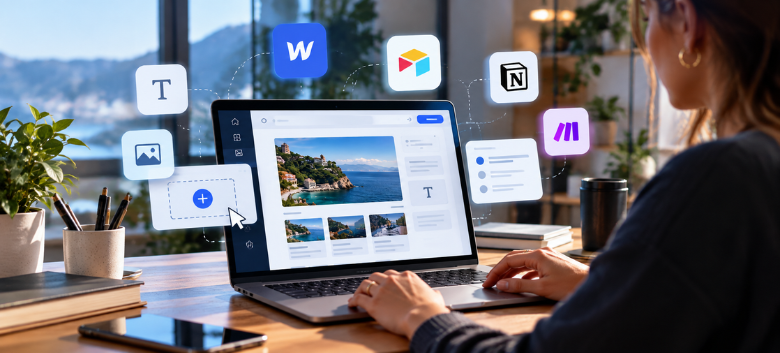
Les outils comme Zapier, Make, Airtable ou les systèmes RPA (Robotic Process Automation) sont entrés dans les workflows quotidiens. Ils automatisent des tâches récurrentes, réduisent les erreurs et libèrent du temps pour l’innovation stratégique.
Les plateformes no‑code/low‑code permettent à tous de créer des apps, des dashboards ou des automatisations sans développeur traditionnel. En 2026, la demande pour des profils capables de piloter ces outils explose, y compris dans les services, le tourisme ou l’hospitality, sachant qu’ils commençaient à bien se démocratiser en 2025.
Cette tendance transforme aussi l’éducation digitale : les formations qui intègrent le no‑code deviennent des accélérateurs de carrière.
La collecte et l’analyse des données ne suffisent plus : il faut contextualiser et personnaliser les expériences en temps réel. Les entreprises investissent massivement dans la Customer Data Platform (CDP), le tracking comportemental et les modèles prédictifs pour anticiper les besoins clients.
Cette évolution crée une forte demande en compétences analytiques et techniques liées au marketing digital.
Les interfaces immersives s’inscrivent dans la vie quotidienne : visites virtuelles, boutiques en réalité augmentée, événements hybrides, showrooms 3D. Ces technologies révolutionnent les parcours utilisateurs, notamment dans le tourisme, l’immobilier et l’éducation.
Elles ouvrent aussi de nouvelles opportunités pour les créateurs de contenus et les designers UX.
Les plateformes sociales continuent de dominer l’attention. En 2026, on observe :
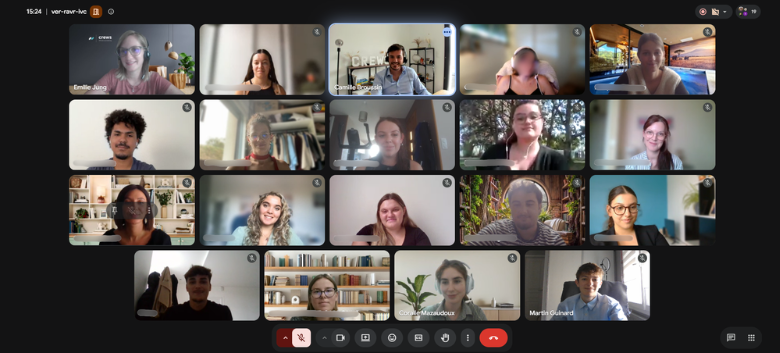
La digitalisation du travail ne cesse de progresser : collaboration en visio, gestion de projets à distance, systèmes décentralisés… Le modèle de formation en distanciel synchrone de Crews, cours en visio, interactions en direct, petits groupes, prépare directement aux exigences du marché du travail digital.
Les tendances digitales en 2026 montrent une convergence entre automatisation, IA, personnalisation, technologies immersives et marketing avancé. Pour les professionnels comme pour les entreprises, anticiper ces évolutions est essentiel pour rester compétitif, pertinent et performant dans un écosystème numérique en pleine mutation.

L’IA générative et l’automatisation des workflows s’imposent comme des priorités majeures pour les entreprises.
Oui, il démocratise la création d’outils et d’automatisations dans tous les secteurs.
Parce qu’elle améliore l’expérience client et augmente les conversions.
Crews propose des formations adaptées en ligne, certifiantes, et orientées compétences métiers.


.png)