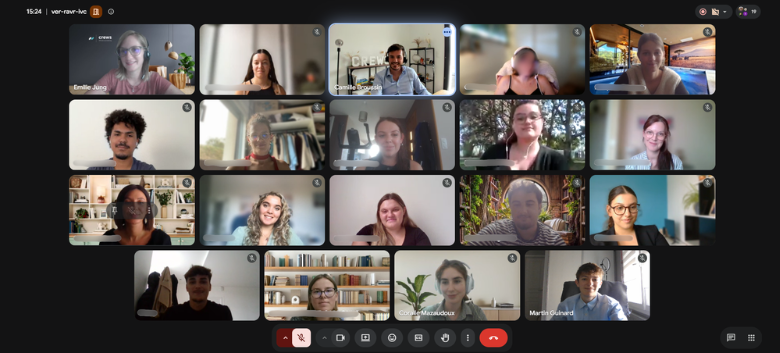
En octobre, Crews s’engage activement aux côtés de la Ligue contre le Cancer #CrewsEnRose

👉 En savoir plus


L'industrie du luxe a longtemps été synonyme d'expérience haut de gamme, de prestige et d'exclusivité. Cependant, avec l'avènement du numérique, le secteur du luxe a dû s'adapter pour continuer son insolente croissance dans un monde de plus en plus connecté. Les Maisons ont ainsi embrassé les nouvelles technologies pour mieux atteindre et engager leur clientèle, tout en préservant leur marque et leur exclusivité. Dans cet article, nous explorerons les tendances actuelles du digital dans l'industrie du luxe.
Le digital occupe aujourd’hui une place stratégique dans l’industrie du luxe, bouleversant les codes traditionnels sans en trahir les fondements. Longtemps réticentes à se digitaliser, les grandes maisons ont finalement investi massivement dans les expériences en ligne, avec un objectif clair : prolonger l’aura de l’exclusivité tout en répondant aux nouvelles attentes des clients. E-commerce immersif, essayage en réalité augmentée, rendez-vous virtuels avec des conseillers : ces dispositifs allient innovation technologique et exigence esthétique. L’approche omnicanale permet de fluidifier le parcours client entre boutique physique et univers digital, sans jamais sacrifier la qualité du service ni l’émotion du contact humain.
Mais l’enjeu ne se limite pas à la distribution : le luxe a aussi pris le virage du contenu et de l’influence. Sur Instagram, TikTok ou dans les métavers, les marques racontent leur histoire, créent du désir et jouent avec les codes de l’exclusivité en ligne. Grâce aux données collectées, elles personnalisent la relation client avec finesse, tout en explorant les possibilités offertes par le Web3 et l’intelligence artificielle. Le défi est clair : innover sans perdre son âme. Le digital dans le luxe ne remplace pas l’artisanat, il en devient le prolongement subtil, au service d’une expérience toujours plus rare, personnalisée et émotionnelle.
À l’instar des boutiques, l'expérience client revêt une importance capitale en ligne. Les marques de luxe investissent donc massivement dans la création d'expériences en ligne immersives et personnalisées. Des visites virtuelles des boutiques aux personnalisations de produits en ligne, en passant par les outils de réalité augmentée ou d’intelligence artificielle, pour essayer les produits depuis chez soi, le digital offre de nouvelles façons de créer des liens émotionnels avec la clientèle.
Le e-commerce a révolutionné la façon dont les consommateurs achètent des produits de luxe. Les plateformes en ligne permettent aux clients du monde entier d'accéder aux collections les plus exclusives, sans avoir à se rendre physiquement dans une boutique. Les marques de luxe investissent ainsi dans des sites web et des applications avancées, offrant une expérience d'achat en ligne aussi haut de gamme que celle en boutique.
Les réseaux sociaux sont depuis longtemps devenus un puissant outil de marketing pour les marques de luxe. En partageant du contenu exclusif, en collaborant avec des influenceurs et en engageant leur communauté à travers des campagnes créatives, les marques peuvent renforcer leur présence en ligne et toucher de nouveaux publics. Les plateformes comme Instagram et TikTok sont particulièrement prisées pour leur capacité à créer un storytelling visuel captivant.
On notera également l’explosion des nouveaux influenceurs virtuels créés par des prompts grâce à l’intelligence artificielle générative. Ces nouvelles muses créent de nouvelles opportunités et habitudes de consommation dans un marché toujours plus ouvert.
Les marques de luxe intègrent de plus en plus de technologies innovantes dans leurs produits pour offrir des expériences uniques à leurs clients. Des vêtements connectés aux bijoux intelligents en passant par les montres de luxe dotées de fonctionnalités avancées, ces produits allient savoir-faire artisanal et innovation technologique pour répondre aux besoins et aux désirs d'une clientèle moderne et exigeante.
En réponse aux préoccupations croissantes concernant l'impact environnemental de l'industrie de la mode et du luxe, de nombreuses marques intègrent des pratiques durables dans leur stratégie digitale. De la traçabilité des matériaux à l'utilisation de méthodes de production respectueuses de l'environnement, la transparence devient une valeur essentielle pour les marques soucieuses de leur impact social et environnemental.
Chez Crews, nous sommes convaincus que la formation joue un rôle crucial dans l'anticipation des tendances et l’acquisition de compétences. C'est pourquoi nous proposons des formations sur mesure, répondant aux besoins des professionnels, des entreprises et des étudiants.
Nos formations au luxe en ligne à destination des professionnels et entreprises sont idéales pour acquérir rapidement des compétences pointues :
Nous répondons également aux besoins de ceux qui souhaitent se former à tous les aspects digitaux dans le secteur du luxe avec des formations longues :
En conclusion, le digital a profondément transformé l'industrie du luxe, offrant de nouvelles opportunités tout en créant des défis uniques. Les marques qui réussissent sont celles qui parviennent à allier l'héritage et le prestige du luxe traditionnel avec l'innovation et la créativité du monde digital, offrant ainsi à leurs clients une expérience exceptionnelle à chaque point de contact.


.png)