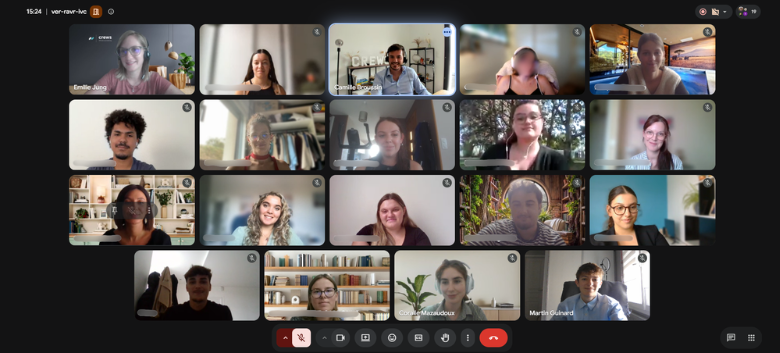
En octobre, Crews s’engage activement aux côtés de la Ligue contre le Cancer #CrewsEnRose

👉 En savoir plus


Le tourisme est un vaste domaine qui invite à l'évasion et à la découverte. Cela peut aussi être un secteur de choix pour ceux qui envisagent une reconversion professionnelle. Que ce soit pour embrasser une passion longtemps mise de côté ou pour explorer de nouveaux horizons professionnels, le secteur touristique offre une abondance de possibilités pour ceux qui osent se lancer dans cette aventure. Cependant, réussir sa reconversion dans le tourisme nécessite une préparation minutieuse et une compréhension profonde des réalités du marché. Dans cet article, nous allons explorer les étapes clés pour une transition réussie vers une carrière florissante dans le domaine du tourisme.
Se reconvertir dans le tourisme peut être attrayant pour plusieurs raisons :
Avant de s'embarquer dans une nouvelle carrière dans le tourisme, il est essentiel de faire le point sur ses intérêts, passions et compétences. Le tourisme est un secteur diversifié, offrant une multitude de possibilités allant de la relation client, à l'organisation de voyages et d'événements, en passant par la gestion d’hébergements, le développement commercial, etc. Prenez le temps de réfléchir à ce qui vous attire le plus dans ce domaine et comment vos compétences actuelles pourraient être mises à profit.
Une fois que vous avez identifié vos objectifs professionnels dans le tourisme, il est temps de vous former et de vous immerger dans le secteur. Que ce soit en suivant des cours spécialisés, en obtenant des certifications pertinentes ou en effectuant des stages pratiques, investir dans votre développement professionnel est crucial pour réussir votre reconversion. De plus, il est important de prendre en compte la digitalisation de notre environnement et de nos métiers. L’industrie touristique n’y échappe pas avec l’émergence de nombreux outils digitaux qui façonnent désormais la notion d’ e-tourisme.
Chez Crews, nous connaissons l’importance de se former au e-tourisme. C’est pourquoi nous proposons des formations courtes adaptées aux professionnels qui souhaitent en apprendre davantage sur un aspect précis de l’e-tourisme :
Pour ceux qui souhaitent avoir une formation englobant l’ensemble des aspects de l’e-tourisme, nous proposons également des formations longues délivrant un titre RNCP reconnu par l’Etat :
Vous pouvez bien entendu être accompagnés vers la formation qui vous conviendra le mieux, compte tenu de votre parcours, vos expériences et vos objectifs professionnels.
Si vous souhaitez en savoir plus sur les modalités de financement d’une formation, vous pouvez découvrir notre page dédiée aux financements.
Dans le monde du tourisme, le réseautage est une clé essentielle pour ouvrir des portes et découvrir de nouvelles opportunités. Assistez à des événements professionnels, rejoignez des associations du secteur, et connectez-vous avec des professionnels établis pour élargir votre réseau. En parallèle, restez informé des dernières tendances et évolutions du marché touristique en lisant des blogs spécialisés, en suivant des influenceurs du secteur et en participant à des forums de discussion en ligne.
Dans un secteur aussi concurrentiel que le tourisme, il est essentiel de se démarquer. Développez une marque personnelle forte en mettant en avant vos compétences, votre expérience et votre passion pour le domaine. Si vous avez opté pour une double-compétence comme celle que propose Crews sur l’e-tourisme, alors vous êtes certains de vous démarquer car ces compétences sont aujourd’hui très recherchées sur le marché.
Enfin, rappelez-vous que réussir sa reconversion dans le tourisme peut prendre du temps et nécessiter une bonne dose de persévérance. Soyez prêt à faire face à des défis et à vous adapter aux changements du marché. Restez ouvert aux opportunités qui se présentent à vous car les débouchés de l’e-tourisme sont nombreux. Avec de la détermination et de la passion, vous pourrez transformer votre reconversion dans le tourisme en une véritable success-story professionnelle.
En conclusion, réussir sa reconversion dans le tourisme demande de la préparation, de la flexibilité et de l'engagement. En suivant ces étapes clés et en restant motivé, vous serez en mesure de transformer votre passion pour le tourisme en une carrière épanouissante et pleine de possibilités. Alors, prêt à embarquer pour cette nouvelle aventure professionnelle ?


.png)