En octobre, Crews s’engage activement aux côtés de la Ligue contre le Cancer #CrewsEnRose

👉 En savoir plus

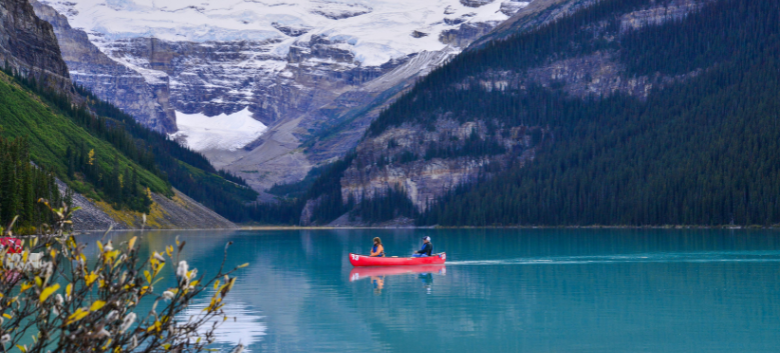
Voyager moins, mais mieux. Prendre le temps, plutôt que cocher des cases. Depuis quelques années, une nouvelle manière de voyager s’impose : le slow tourisme.
Face au tourisme de masse et à l’accélération des modes de vie, cette approche séduit de plus en plus de voyageurs en quête de sens, d’authenticité et de respect de l’environnement.
Mais concrètement, qu’est-ce que le slow tourisme ? Et pourquoi s’impose-t-il comme une tendance majeure du secteur ?
Le slow tourisme, ou “tourisme lent”, consiste à ralentir le rythme de ses voyages pour privilégier la qualité de l’expérience plutôt que la quantité.
Là où le tourisme traditionnel encourage à multiplier les destinations et les activités, le slow tourisme propose l’inverse : prendre le temps de découvrir un lieu en profondeur. Cela signifie :
Le voyage devient alors une expérience plus personnelle, plus enrichissante et souvent plus mémorable.
Le développement du slow tourisme s’explique en grande partie par les limites du tourisme classique.
Surtourisme, impact environnemental, standardisation des expériences… de nombreux voyageurs prennent aujourd’hui conscience des conséquences de leurs déplacements. Le slow tourisme s’inscrit comme une alternative plus responsable :
Le premier pilier du slow tourisme est le temps. Il s’agit de ralentir, de ne pas surcharger son programme et de laisser place à l’imprévu.
Au lieu de visiter 5 villes en 7 jours, on choisit de passer une semaine dans un seul lieu, en explorant ses alentours.
Le slow tourisme encourage les destinations proches, accessibles en train, en vélo ou même à pied.
Le voyage commence dès le trajet, qui devient une partie de l’expérience.
Plutôt que de consommer une destination, le voyageur slow cherche à la comprendre. Cela passe par :
Le slow tourisme est souvent lié à une démarche écologique. Cela implique de :
Le slow tourisme peut prendre de nombreuses formes :
L’idée n’est pas de suivre un modèle unique, mais d’adapter son voyage à ses envies tout en respectant les principes du slow tourisme.
Les voyageurs cherchent aujourd’hui des expériences plus authentiques. Ils veulent comprendre, ressentir et vivre une destination, plutôt que simplement la visiter.
Dans un quotidien souvent rapide et digitalisé, le slow tourisme offre une pause. Il permet de se reconnecter à soi, aux autres et à son environnement.
Prendre le temps permet de découvrir des détails que l’on aurait ignorés autrement. Les rencontres sont plus nombreuses, les souvenirs plus marquants.
Le slow tourisme ne concerne pas uniquement les voyageurs. Il transforme aussi le secteur. Les acteurs du tourisme doivent aujourd’hui :
Cela représente une opportunité : celle de se différencier en proposant un tourisme plus humain et plus responsable.
Le slow tourisme n’est pas un effet de mode. Il s’inscrit dans une évolution plus large des comportements de consommation.
À mesure que les enjeux environnementaux et sociétaux prennent de l’importance, cette manière de voyager devrait continuer à se développer.
Le slow tourisme, c’est avant tout une philosophie :
Ce n’est pas la distance parcourue qui compte, mais la manière de vivre le voyage.
Comprendre ces évolutions est essentiel pour les professionnels du secteur.
Chez Crews, nous formons aux enjeux du tourisme de demain : expérience client, marketing, communication, durabilité, stratégie digitale…


.png)