En octobre, Crews s’engage activement aux côtés de la Ligue contre le Cancer #CrewsEnRose

👉 En savoir plus

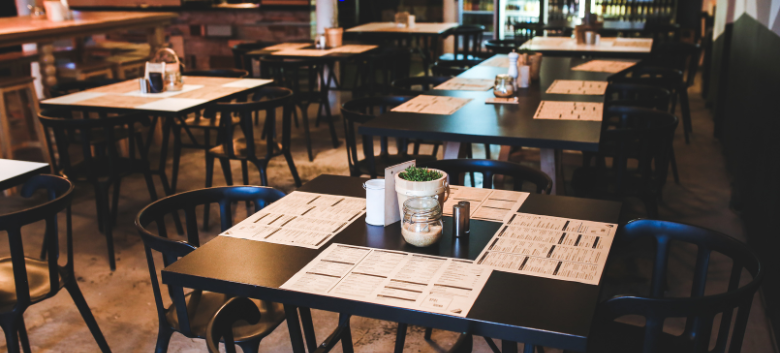
Le secteur de la restauration a profondément évolué ces dernières années. Les attentes des clients changent, les habitudes de consommation se digitalisent et les restaurateurs doivent aujourd'hui jongler entre gestion opérationnelle, communication, fidélisation et rentabilité.
Pour répondre à ces nouveaux défis, les outils digitaux sont devenus de véritables alliés. Ils permettent non seulement de gagner du temps, mais aussi d'améliorer l'expérience client, d'optimiser les coûts et de développer le chiffre d'affaires.
Quels sont les outils les plus utiles en 2026 ? Voici les principales catégories de solutions à connaître.
Le logiciel de caisse (POS) est souvent le premier outil digital utilisé dans un restaurant. Bien plus qu'un simple système d'encaissement, il centralise aujourd'hui une grande partie de l'activité de l'établissement.
Un logiciel moderne permet notamment de gérer les commandes, les paiements, les stocks, les ventes et les statistiques de fréquentation. Certains intègrent également la prise de commande à table, les programmes de fidélité ou encore la gestion des équipes.
Parmi les solutions les plus reconnues figurent Lightspeed Restaurant, Zelty, L'Addition, Tiller, Sunday POS ou encore Square pour les structures plus légères.
Grâce à ces outils, les restaurateurs disposent d'une vision précise de leur activité et peuvent prendre des décisions plus rapidement.
Aujourd'hui, réserver une table en ligne est devenu un réflexe pour une grande partie des consommateurs.
Les plateformes de réservation permettent de simplifier cette étape tout en réduisant la charge de travail des équipes.
Des solutions comme TheFork Manager, Zenchef, ResDiary ou OpenTable permettent de gérer automatiquement les réservations, d'éviter les doubles réservations, de limiter les no-shows grâce aux confirmations automatiques et de mieux répartir les services.
Certaines plateformes offrent également des fonctionnalités de gestion des listes d'attente, de statistiques de fréquentation ou de campagnes de fidélisation.
Au-delà du confort pour les clients, ces outils contribuent directement à améliorer le taux de remplissage du restaurant.
Fidéliser un client coûte souvent beaucoup moins cher que d'en acquérir un nouveau.
Les outils de Customer Relationship Management (CRM) permettent justement de mieux connaître les habitudes des clients afin de personnaliser la relation. Ils centralisent différentes informations :
Des solutions comme Zenchef CRM, SevenRooms, Salesforce ou Brevo permettent ensuite de créer des campagnes ciblées, d'envoyer des offres personnalisées ou de relancer automatiquement certains clients.
Cette approche contribue à renforcer la fidélité tout en améliorant l'expérience proposée.
La vente à emporter et la livraison font désormais partie intégrante du modèle économique de nombreux restaurants.
Des plateformes comme Uber Eats, Deliveroo ou Just Eat permettent d'élargir rapidement sa clientèle, mais elles impliquent également des commissions importantes.
C'est pourquoi de plus en plus d'établissements développent leur propre solution de commande en ligne grâce à des outils comme Flipdish, GloriaFood ou Deliverect, qui permettent de centraliser les commandes provenant de plusieurs plateformes et de mieux maîtriser les coûts.
L'objectif est de proposer une expérience fluide tout en conservant une relation directe avec les clients.
La visibilité est devenue un enjeu majeur pour les restaurants.
Les consommateurs découvrent aujourd'hui un établissement via Google, Instagram, TikTok ou encore les avis en ligne. Une stratégie digitale efficace est donc essentielle pour attirer de nouveaux clients.
Plusieurs outils permettent de produire et diffuser des contenus de qualité.
Pour la création graphique, Canva est devenu incontournable. Il permet de concevoir facilement des menus, des affiches, des publications pour les réseaux sociaux ou des supports promotionnels.
Pour organiser les publications, des plateformes comme Buffer, Metricool ou Hootsuite facilitent la planification des contenus sur plusieurs réseaux sociaux.
Enfin, des solutions comme Brevo ou Mailchimp permettent de créer des newsletters afin d'informer les clients des nouveaux menus, événements ou offres spéciales.
L'intelligence artificielle transforme progressivement les métiers de la restauration.
Des outils comme ChatGPT, Claude ou Gemini permettent d'accélérer de nombreuses tâches du quotidien. Ils peuvent être utilisés pour :
L'IA devient ainsi un véritable assistant qui permet aux équipes marketing et aux restaurateurs de gagner du temps tout en améliorant la qualité de leurs contenus.
Les restaurants utilisent de plus en plus des plateformes d'automatisation pour connecter leurs différents logiciels. Des solutions comme Make, Zapier ou n8n permettent par exemple de :
Ces automatisations réduisent les tâches répétitives et permettent aux équipes de se concentrer davantage sur le service.
Les avis jouent un rôle majeur dans la réputation d'un restaurant.
Avant de réserver, la majorité des consommateurs consulte les notes et commentaires publiés sur Google ou d'autres plateformes.
Des outils comme Guest Suite, Partoo, ReviewPro ou Trustpilot permettent de centraliser les avis, d'y répondre plus facilement et de suivre l'évolution de la réputation de l'établissement.
Ils offrent également des indicateurs utiles pour identifier les points d'amélioration et mieux comprendre les attentes des clients.
Limiter le gaspillage alimentaire et optimiser les achats sont devenus des enjeux majeurs pour les restaurateurs.
Des solutions comme Apicbase, MarketMan ou Melba permettent de suivre les niveaux de stock en temps réel, de calculer les coûts matières, d'automatiser certaines commandes et d'anticiper les ruptures.
Ces outils facilitent également la gestion des fiches techniques et contribuent à améliorer la rentabilité du restaurant.
Tous les restaurants n'ont pas les mêmes besoins.
Un établissement indépendant ne choisira pas forcément les mêmes solutions qu'une chaîne ou qu'un restaurant gastronomique. Avant d'investir, il est important de se poser plusieurs questions :
L'objectif n'est pas d'accumuler les logiciels, mais de construire un écosystème cohérent, capable d'accompagner durablement le développement de l'établissement.
Les outils digitaux ne remplacent pas le savoir-faire des restaurateurs. Ils permettent en revanche d'automatiser les tâches à faible valeur ajoutée afin de consacrer davantage de temps à l'essentiel : la cuisine, le service et l'expérience client.
Les établissements qui réussissent aujourd'hui sont souvent ceux qui savent utiliser la technologie pour améliorer leur organisation sans perdre leur identité.
L'évolution rapide des technologies impose aux professionnels de la restauration de développer de nouvelles compétences.
Chez Crews, nous accompagnons les restaurateurs et leurs équipes à travers des formations dédiées au marketing digital, à l'intelligence artificielle, à l'automatisation, à la stratégie digitale et aux nouveaux outils qui transforment le secteur de la restauration.
L'objectif est de permettre aux professionnels de gagner en efficacité, d'améliorer leur visibilité et d'offrir une expérience toujours plus qualitative à leurs clients.
En résumé, les meilleurs outils digitaux sont ceux qui répondent aux besoins réels de votre établissement.
En combinant logiciel de caisse, réservation en ligne, CRM, intelligence artificielle, automatisation et marketing digital, les restaurants peuvent gagner en productivité, développer leur clientèle et préparer sereinement les évolutions du secteur.


.png)